4M Inaugural Conference: A Catalyst for Change at the Intersection of Menstrual and Mental Health Research and Advocacy
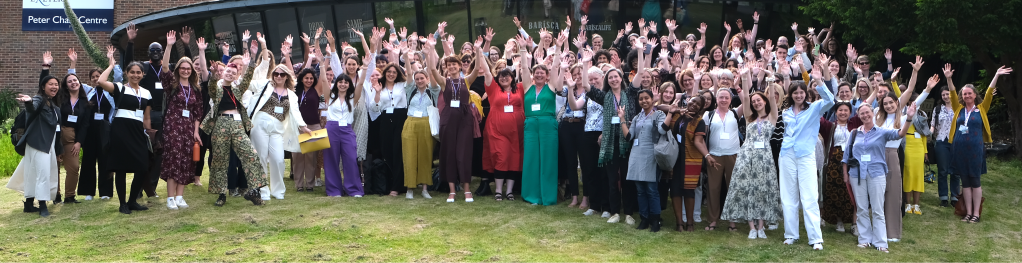
In June 2024, the University of Exeter hosted the first-ever 4M conference, bringing together over 150 attendees from across 14 countries and six continents. This groundbreaking event aimed to connect researchers and non-academics alike to advance the conversation on menstrual health and mental health. With a diverse audience spanning universities, healthcare providers, and advocacy groups, the conference fostered meaningful discussions and forged new collaborations.

Keynote talks from renowned experts Professor Hilary Critchley, Dr. Mandi Tembo, and Professor Martha Hickey set the stage, offering insights into the complex relationship between menstrual and mental health from menarche to menopause. Alongside these talks, the event featured short presentations, panel discussions, poster sessions, and creative contributions like a zine. Attendees could explore innovative ways to include the public and patient voice in the conversation.
Feedback was overwhelmingly positive. Attendees praised the conference for its diversity, highlighting the range of sectors, career stages, and perspectives represented. Many left with new collaborators and friends, inspired to address gaps in menstrual and menopausal health.
One key takeaway was the importance of cross-sector collaboration. Many participants discovered shared goals, such as improving menstrual education in schools, but had never crossed paths before. The conference underscored the need for researchers, healthcare professionals, and advocates to work together to ensure that research drives real-world change.
We were pleased that the conference gained some press attention – helping to bring the conversation around menstruation, menopause and mental health to wider audiences. Gemma was interviewed live on BBC Radio 4’s Woman’s Hour and BBC Radio Devon.
The 4M consortium’s inaugural conference was a vibrant and thought-provoking event. As one attendee put it, the conference wasn’t just a gathering—it was the start of a movement.
 4m
4m 